
For a long time in the past, “marine electrification” mostly remained in demonstration projects and policy documents. But in recent years, an obvious change has been taking place: electrification is no longer just an initiative, but is gradually becoming a forced choice and has been proven to be a “more reasonable” option.
1. Top-Down Drivers: From “Green Initiatives” to “Hard Constraints”
The direct driver of marine electrification first comes from the regulatory level.
In 2023, the International Maritime Organization (IMO) released the latest version of the Strategy to Reduce Greenhouse Gas Emissions from Ships, clearly proposing to achieve net-zero greenhouse gas emissions from international shipping by 2050. This goal is not a slogan, but is gradually implemented through new ship energy efficiency requirements, carbon intensity constraints, zero-carbon technology and energy paths.
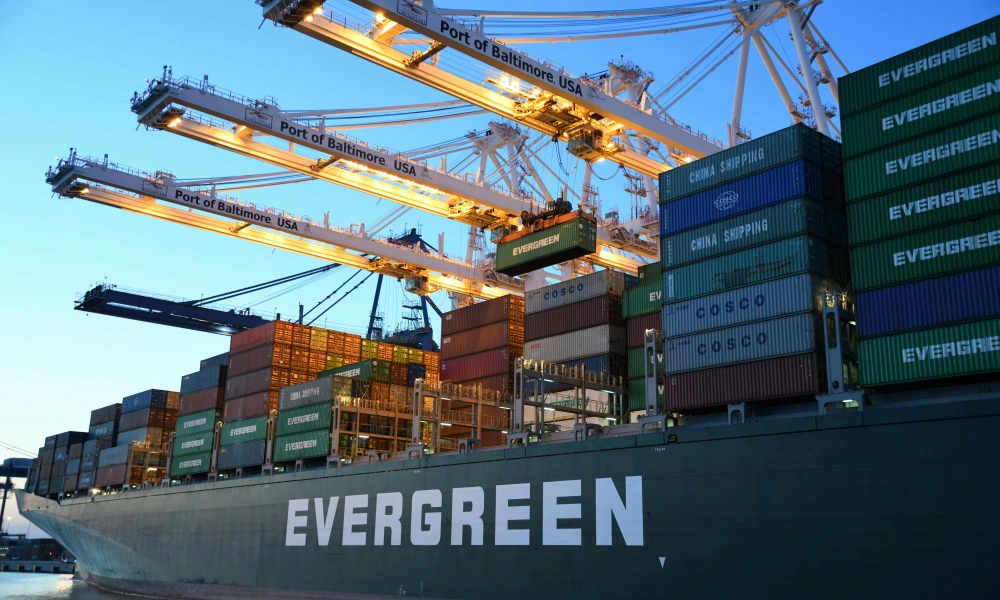
In China, five ministries and commissions including the Ministry of Industry and Information Technology jointly issued the “Action Plan for the Green Development of the Shipbuilding Industry (2024-2030)”, incorporating “green products”, “energy use efficiency” and “green supply chain management” into the industry development goals. This means that green is no longer just a bonus item, but has entered the access and evaluation system.
From a trend perspective, the regulatory authorities of various countries are also tightening emission standards simultaneously. Some European inland rivers, lakes and tourist waters have set restrictions or completely prohibited the operation of internal combustion engines. In these scenarios, the lowest-cost and fastest-implementing compliance solution points to—electric boats.
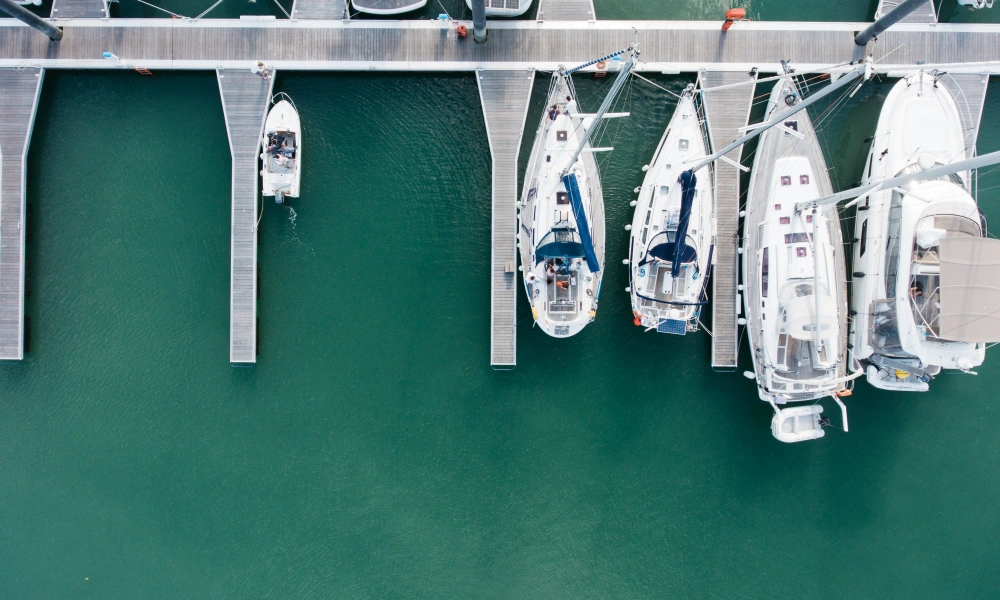
At the same time, the systematic layout of shore power and charging facilities at terminals and inland river ports in some European and American regions is in full swing.
These changes collectively point to a realistic judgment: the “fuel economy era” of ships is transitioning to the “electric drive era.”
2. Market Evidence: The Economic Account Behind Explosive Growth
If policies determine the direction, then the market determines the speed.
Water sports equipment and light boats are the first areas where large-scale growth in marine electrification has occurred. Industry data shows that the market size of China’s electric boats and power surfboards increased by more than 60% year-on-year in 2025; globally, the electric surfboard market is expected to exceed 1.45 billion US dollars by 2035.
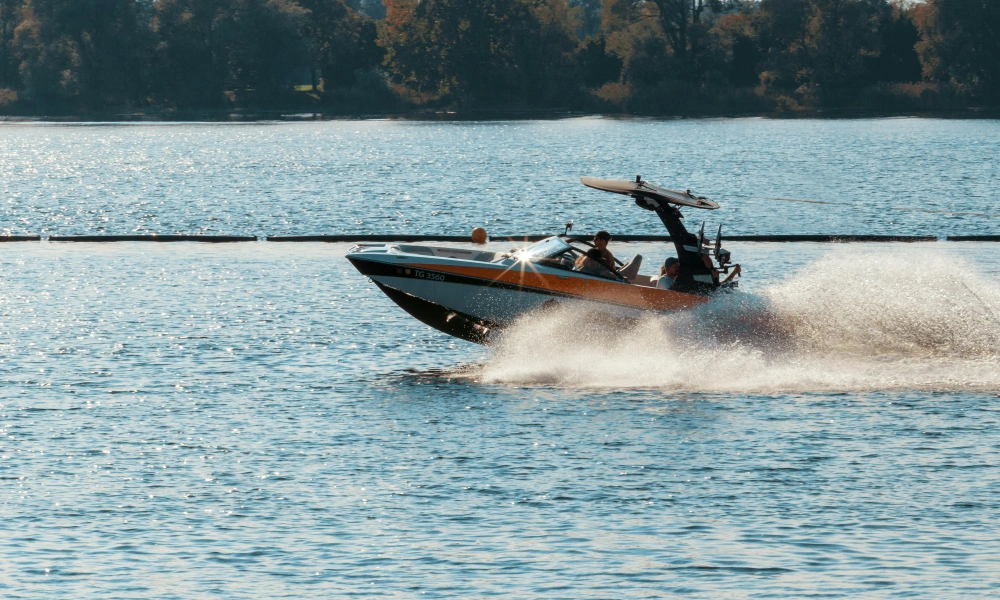
Behind these figures is not simply consumption upgrading, but a very intuitive economic account.
On the one hand, the operating cost of electric systems is significantly lower than that of fuel systems; on the other hand, the electric drive structure is simpler, and the maintenance frequency and uncertainty are lower. These two points together constitute the core driving force for the market to choose electrification, and also make light boats the best test ground for the landing of electrification technology. The dual advantages of cost and maintenance have further accelerated the market’s acceptance of electric boats, promoting them from niche to mainstream.
It can be observed that the attitude of many shipowners is changing: from “can it be used” to “when to replace it.”
3. Evolution Route: From Small Boats to 10,000-Ton Giant Ships
From the perspective of application paths, marine electrification is not advancing simultaneously, but showing a clear evolutionary gradient of “from small to large.”
Phase 1: Lightweight scenarios take the lead in maturity.
In the field of water entertainment and short-distance transportation, Electric Water Jet and small electric outboard motor have become mainstream configurations. The technical path is basically stable, and the focus of competition has shifted from “can it run” to “is the experience good.”
For small functional boats used in inland rivers—such as patrol boats, cleaning boats, and law enforcement auxiliary boats—electric outboard motor can already cover most operating conditions, and market acceptance is continuously improving.

Phase 2: A landmark breakthrough for large ships.
In October 2025, China’s 10,000-ton pure electric bulk carrier “Gezhouba” was successfully launched. This does not mean that all large ships will quickly switch to pure electric power, but it clearly proves that pure electric power is technically feasible in engineering under appropriate routes, operating conditions and system designs.
Phase 3: Intuitive feelings brought by user experience.
A captain with more than 20 years of experience in driving traditional fuel ships mentioned in an interview that compared with fuel ships, electric ships have more direct control, faster response, lower noise, and can even achieve 360-degree steering. This transformation from “mechanical control” to “digital control” is changing the evaluation criteria of professionals for the performance of propulsion systems.
4. Technical Difficulties Are Being Quickly Resolved
The core problems long faced by electric ships are concentrated on battery safety, system reliability and full-life cycle stability.
At the end of 2025, China Classification Society (CCS) issued the “Type Approval Certificate for Marine Lithium Battery Comprehensive Safety System” to enterprises, which is regarded as a key node in the industry. This is not just the certification of a certain product, but means that a complete set of safety design, monitoring and prevention and control logic has begun to mature.
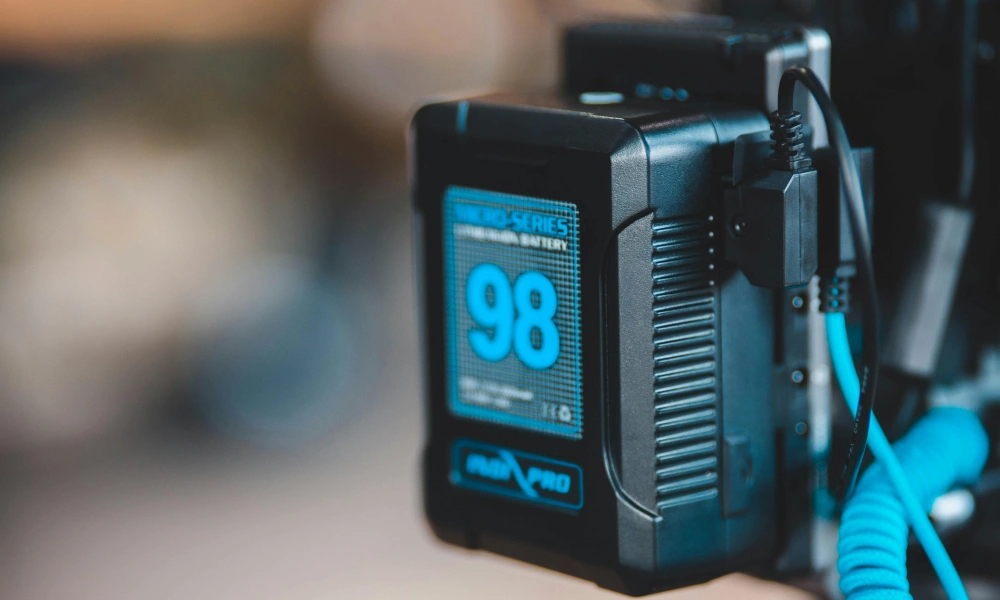
From an industry perspective, the technical difficulties of electric ships are not a single breakthrough, but a system engineering:
Battery management, thermal control, power matching, communication and redundancy design are gradually forming standardized ideas. This also explains why more and more electric ship projects are shifting from “single equipment procurement” to “overall power system integration.”
5. Kumpen Power: Providing a Reliable “Power Heart” in the Wave
When the industry focuses on the technical realization of 10,000-ton pure electric ships, there is also a need for someone to transform these cutting-edge technologies into replicable and deliverable commercial solutions.
Kumpen Power is taking this middle path.
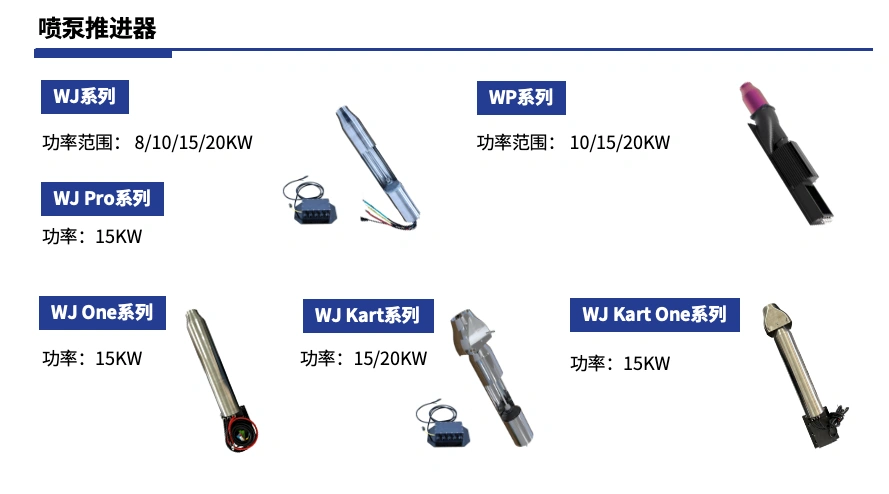
In the field of water sports, the Electric Water Jet developed by Kumpen Power targets high-response scenarios such as surfboards and jet skis, emphasizing instantaneous torque output and lightweight design, allowing the advantages of electric drive to be directly converted into sensory differences.
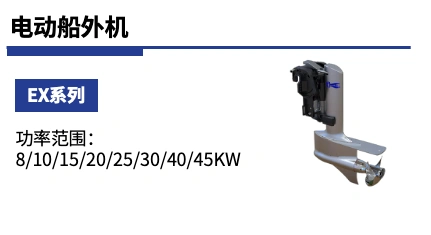
In the field of yachts and professional work boats, the electric outboard motor (EX Series) focuses more on the certainty of long-term use: the operating noise is about 70 dB, which is significantly lower than that of traditional fuel engines; the simplified structure also reduces maintenance costs under high-frequency operations.
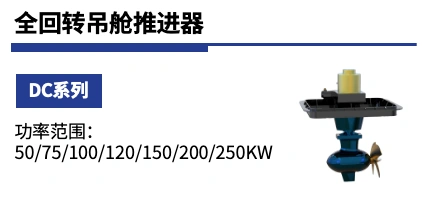
In the application of medium and large ships, Kumpen Power does not pursue “covering all scales”, but provides system-level support from battery management to power output for yachts, medium-sized cargo ships and official ships through pod drive and customized power integration solutions.
Conclusion
From offshore recreational boats to 10,000-ton inland river cargo ships, the electrification of marine propulsion systems has evolved from a concept to a commercial choice. This is not only to meet emission reduction standards, but also to substantially improve operating efficiency and control experience. Kumpen Power will continue to deepen the field of electric propulsion, and assist every customer in seizing opportunities in this power revolution through high-reliability products (including Electric Water Jet, electric outboard motor, pod drive) and integration solutions.